Night shift in the OR doesn’t slow down because it’s 3 a.m. Trauma, emergency cases and add-ons still need the same attention as an elective at 9 a.m. The problem is that your body is built to be asleep at that hour, and it doesn’t care what your schedule says.
The good news: the research on shift work is solid, and most of what helps is free. A long nap before the shift, using light on purpose, timing caffeine, protecting the drive home and setting up your bedroom for daytime sleep all make a measurable difference.
This guide walks through a night shift from the afternoon before to the sleep after, with what the evidence actually supports at each step.
Key takeaways
- Take a long nap (about 1.5–3 hours) the afternoon before a night shift, not a 20-minute power nap.
- Front-load caffeine early in the shift and stop about six hours before you plan to sleep.
- The drive home is the riskiest part. If you’re very drowsy, don’t drive.
- Go straight to bed when you get home. The more sleep before 2 p.m., the better.
Last reviewed Oct 2026 · Written by a practicing CRNA
What night work does to you
Night shifts work against two systems at once: your internal clock, which pushes you toward sleep in the early morning hours, and sleep pressure, which builds the longer you’re awake. By the end of a night shift both point the same way.
Three findings matter most for OR staff:
- Daytime sleep is shorter and lighter. Night workers sleep less and less deeply during the day than day workers do at night, because daylight and the body clock both push toward waking. (NIOSH) Adults need 7 or more hours of sleep per night, according to the 2015 consensus of the American Academy of Sleep Medicine and the Sleep Research Society. (AASM)
- The drive home is the riskiest part of the shift. In a closed-track study of 16 night-shift workers, 6 of 16 drives after a night shift (37.5%) had near-crashes and 7 of 16 (43.8%) were stopped early for safety. After a normal night of sleep, there were none. (Lee et al., PNAS 2016)
- You can’t fully catch up on days off. In a controlled study comparing normal sleep, short sleep and short sleep with unlimited weekend catch-up, the catch-up group did not avoid the metabolic effects of short sleep; its liver insulin sensitivity was the worst of the three. (Depner et al., Current Biology 2019)
None of this means night shifts can’t be done well. It means they need a plan.
Before the shift: take a real nap
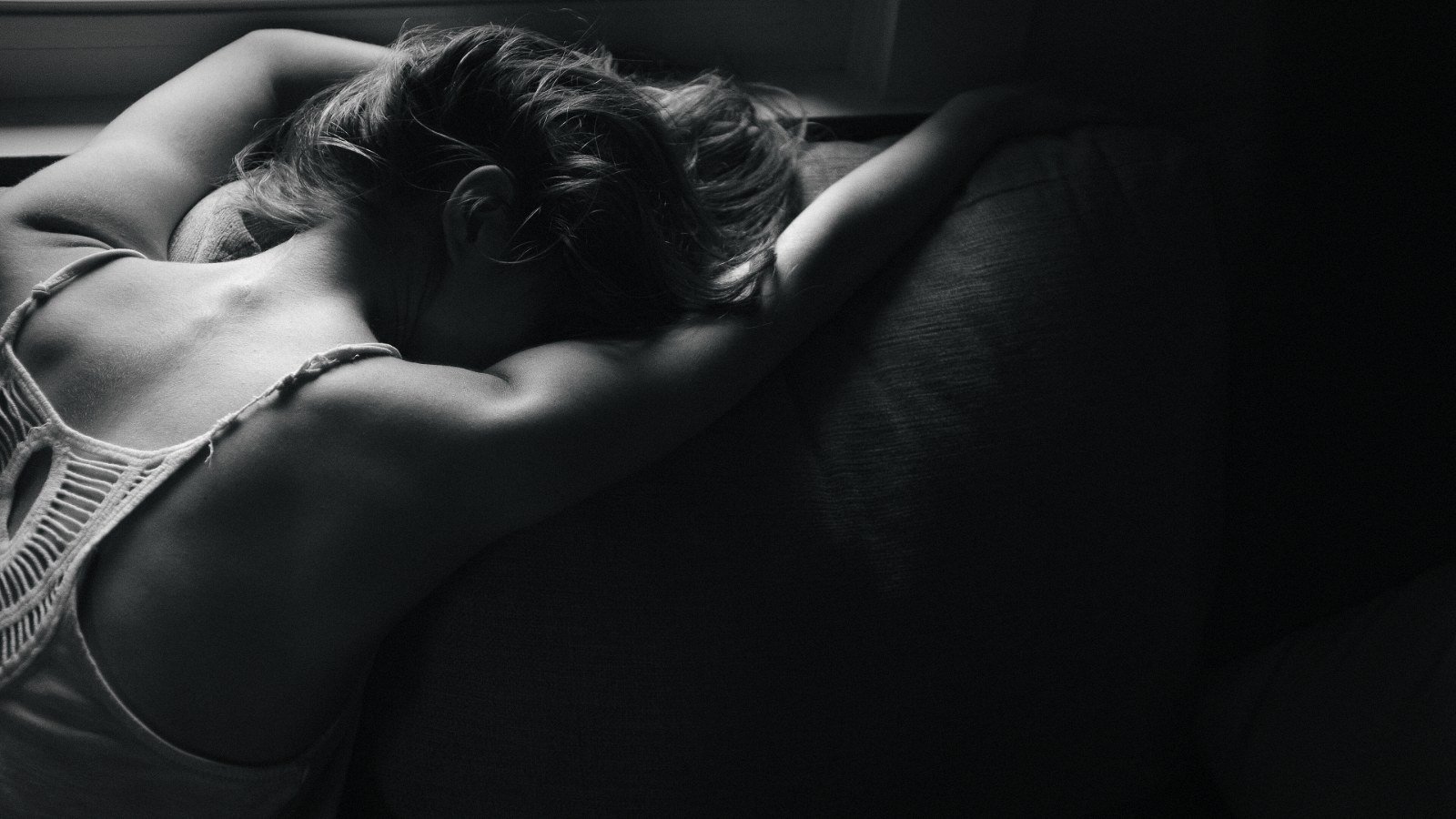
The single best-supported tool is a planned nap before the night shift. The American Academy of Sleep Medicine rates planned napping before or during the night shift at its highest level of recommendation (a “standard”) for improving alertness and performance. (AASM practice parameters, 2007)
Tip
Make it long. This isn’t a 20-minute power nap. Studies summarized by NIOSH found benefits from naps of 1.5 hours (3:30 to 5 p.m.), 2.5 hours (7:30 to 10 p.m.) and 3 hours (2 to 5 p.m.) before a simulated night shift. A long nap lets the brain reach deep sleep and lowers the sleep pressure you carry into the night. (NIOSH: Napping before nights)
Pair it with caffeine at the start of the shift. The same NIOSH summary notes that a 2.5-hour nap before the shift plus caffeine at the beginning of the shift improved alertness.
Give yourself time to wake up. Grogginess after a long nap (sleep inertia) passes, but it can take a while. Wake up early enough to be fully alert before the drive in and the first case.
During the shift: light on purpose, caffeine early
Use bright light while you work. Timed light exposure at work, combined with limiting light in the morning, is recommended to reduce sleepiness and improve alertness on night shifts. (AASM practice parameters) ORs are already bright. The places that aren’t are the ones to watch: a dim break room or a dark corner at 4 a.m. is where alertness slips. Keep the lights up during breaks if you need to stay sharp.

Front-load caffeine, then stop. Caffeine helps alertness on the night shift, though the AASM rates the evidence lower than for napping or light. The catch is how long it lasts. In a sleep-lab study, 400 mg of caffeine (about 2 to 3 cups of coffee) taken 6 hours before bed cut measured sleep by more than an hour, and participants didn’t notice. (Drake et al., Journal of Clinical Sleep Medicine 2013)
For a 7 p.m. to 7 a.m. shift with sleep at about 8 a.m., six hours before bed is about 2 a.m. That makes a practical rule: caffeine at the start of the shift and in the first half, none after roughly 2 a.m.
Save your sharpest attention for the hardest hours. The early morning hours are when the body clock pushes hardest toward sleep. If you can choose when to do charting, restocking or a second check, the hours before dawn are a good time for an extra set of eyes on anything critical.
After a night shift, the drive home is often the riskiest part of the whole shift.
The drive home
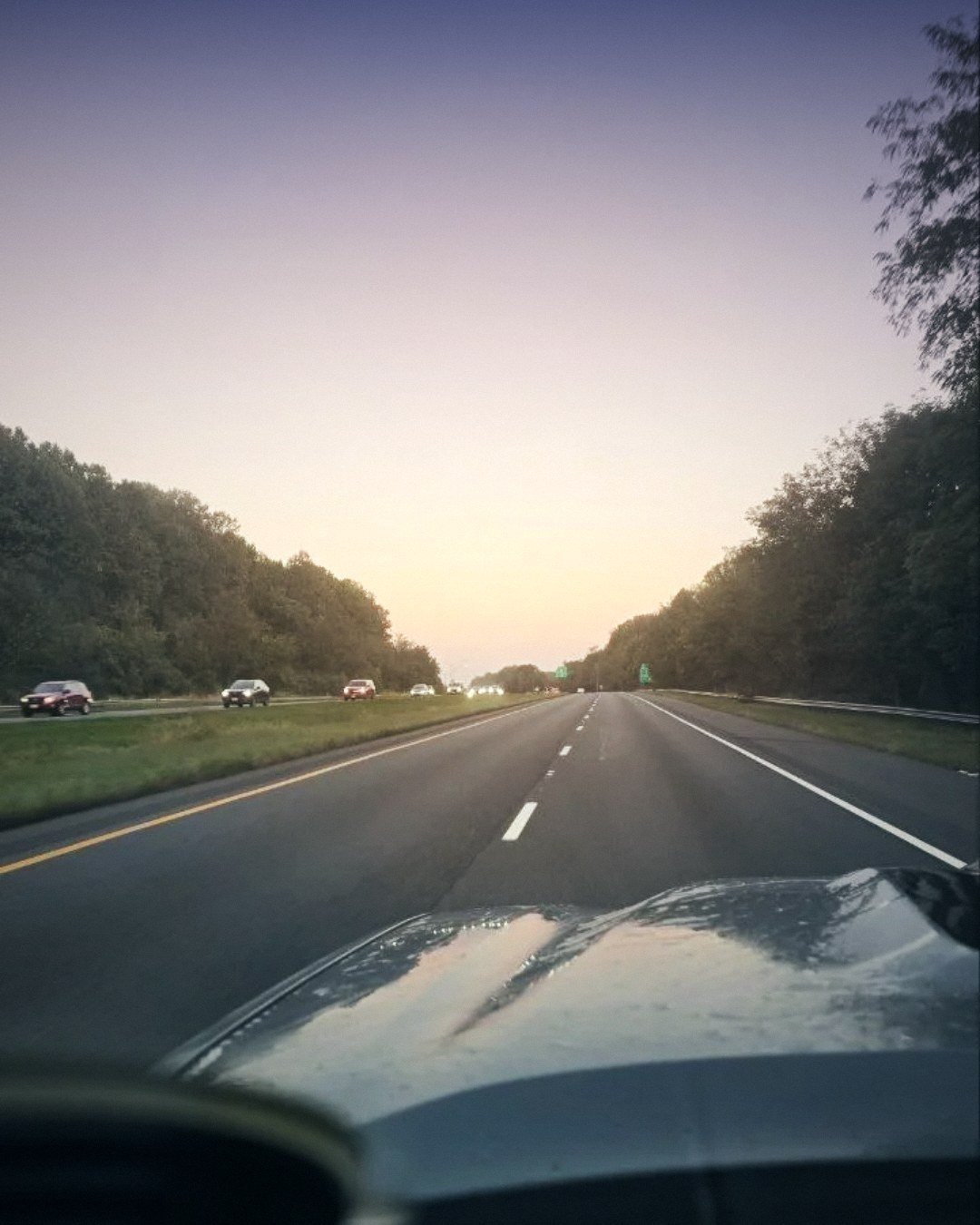
After a night shift, the drive home is often the riskiest part of the whole shift. In the PNAS study above, more than a third of post-night-shift drives had a near-crash, and drowsiness showed up as lane drifting, longer blinks and slow eye movements. (Lee et al., 2016)
NIOSH’s advice for night-shift nurses who feel very drowsy is simple: don’t drive. Their alternatives: (NIOSH)
- Have someone else drive you, carpool, or take a taxi or rideshare.
- Take caffeine, then a short nap before you leave.
- Sleep near work (a call room, if your facility allows it) before heading home.
Watch out
Warning signs to take seriously: drifting out of your lane, missing your exit, not remembering the last few miles, heavy eyelids or constant yawning. Opening the window and turning up the music don’t fix sleepiness. Pull over somewhere safe.
Protect your sleep on the way. NIOSH also suggests putting on dark or blue-light-blocking sunglasses before you step outside and keeping them on until you’re in your dark bedroom, so morning light doesn’t tell your body it’s time to wake up. Only do this if it doesn’t affect your ability to see the road safely.
Daytime sleep: set up the room, then protect the hours
Go straight to bed. NIOSH’s advice is to sleep as soon as you get home and to sleep as long as you can, because the body clock starts pushing you awake as the day goes on. “The more sleep you get before 2 p.m., the better rested you will be.” (NIOSH)
Make the room work for you:
- Dark. So dark you can’t see your hand in front of your face: blackout curtains, foil or tape over LEDs, or an eye mask.
- Quiet. Earplugs or a white noise machine, and silence the phone so it can’t wake you.
- Family on board. Agree on the hours you’re asleep and what counts as a real reason to wake you.
- Not hungry. If you haven’t eaten recently, a small snack with protein and carbohydrate (NIOSH’s example is cereal and milk) keeps hunger from waking you.
Keep an anchor. Between stretches of nights, NIOSH suggests keeping some sleep hours the same every 24 hours, for example sleeping 8 a.m. to about 1 p.m. on work days and staying up until 3 or 4 a.m. to sleep until noon or 1 p.m. on days off. The overlap gives your body clock something steady to hold on to. (NIOSH)
Don’t stay up for a full day to “reset”. NIOSH warns against long stretches awake before or after night shifts, because of the accident risk and the sleep debt that follows. Sleep when you have the chance, including naps.
A night shift day at a glance
One example day around a 7 p.m. to 7 a.m. shift. The times are illustrative; adjust them to your own schedule.
| Time | What to do | Why |
|---|---|---|
| About 3 to 5:30 p.m. | Long nap (1.5 to 3 hours) | Lowers sleep pressure before the night |
| 7 p.m. | Start the shift with caffeine | Nap plus early caffeine improved alertness |
| Through the night | Keep the lights up, including on breaks | Bright light helps alertness on nights |
| About 2 a.m. | Last caffeine | About 6 hours before an 8 a.m. bedtime |
| 7 a.m. | Sunglasses on; don’t drive drowsy | Morning light and drowsy driving both work against you |
| 8 a.m. | Straight to bed in a dark, quiet room | The more sleep before 2 p.m., the better |
Melatonin and medications: what the guidelines say
The AASM’s practice parameters for night shift workers, published in 2007, cover a few options beyond behavior. (AASM, 2007)
| Option | What the AASM says | Level |
|---|---|---|
| Planned napping | Improves alertness and performance on night shifts | Standard (highest) |
| Timed light at work, less light in the morning | Reduces sleepiness and improves alertness on nights | Guideline |
| Melatonin before daytime sleep | Promotes daytime sleep in night shift workers | Guideline |
| Prescription sleep medication | May be used to promote daytime sleep | Guideline |
| Modafinil | Improves alertness during the night shift for shift work disorder | Guideline |
| Caffeine | Improves alertness during the night shift for shift work disorder | Option (lowest) |
Two things worth knowing as a clinician:
- Melatonin is a timing tool, not a knockout pill. The guideline is about taking it before daytime sleep. Dose, product quality and interactions are questions for your own clinician or pharmacist, not a blog.
- Prescription options are for a diagnosed problem. Modafinil’s recommendation is specifically for shift work disorder, and sleep medications come with their own risks, including grogginess when you wake. These are conversations to have with a physician who knows your history, not workarounds for a rough week.
The behavioral tools in this guide come first. They’re free, they have the strongest evidence, and they don’t interact with anything.
When it’s more than a rough week: shift work disorder
Most people feel off during their first stretches of nights. When it doesn’t settle, it may be shift work disorder: trouble adjusting your sleep and wake times to your work schedule. (AASM Sleep Education)
The AASM suggests seeing a sleep specialist if you answer yes to these:
- Does your work schedule overlap with your normal sleep time?
- Do you have trouble sleeping, or feel severely tired, because of your work schedule?
- Has it lasted at least a month?
- Is it affecting your work, family or social life?
Common symptoms include excessive sleepiness, trouble falling or staying asleep, low energy, poor concentration, headaches and mood changes. In a job where attention is the product, any of these deserves a real evaluation, not just more coffee.
Also see a doctor if you snore loudly, stop breathing in your sleep or wake up gasping. That points to a different problem that night-shift tips won’t fix.
More for shift workers: intermittent fasting, hour by hour, staying fit on a clinician’s schedule, and workout recovery supplements.
FAQ
How long should I nap before a night shift?
Longer than you think. Studies summarized by NIOSH used naps of 1.5 to 3 hours in the afternoon or evening before the shift. Leave time to shake off grogginess before you drive.
When should I stop drinking coffee on a night shift?
About 6 hours before you plan to sleep. In a sleep-lab study, 400 mg of caffeine 6 hours before bed still cut sleep by more than an hour. For a 7 p.m. to 7 a.m. shift, that’s roughly 2 a.m.
Is it safe to drive home after a night shift?
It’s the riskiest part of the shift. If you’re fighting to keep your eyes open, don’t drive: get a ride, carpool, or take caffeine and a short nap before leaving.
Can I catch up on sleep on my days off?
Only partly. Extra sleep helps you feel better, but a controlled study found weekend catch-up sleep didn’t undo the metabolic effects of short sleep during the week. Protecting sleep on work days matters more.
Does melatonin help after a night shift?
The AASM’s practice parameters support melatonin before daytime sleep to help night shift workers sleep during the day. Ask your own clinician or pharmacist about dose and interactions.
Sources
- American Academy of Sleep Medicine: Practice parameters for circadian rhythm sleep disorders (2007)
- American Academy of Sleep Medicine: Seven or more hours of sleep per night (2015 consensus)
- AASM Sleep Education: Shift work disorder
- NIOSH: Napping before night shifts
- NIOSH: Coping with night shifts, light
- NIOSH: Coping with night shifts, sleep
- NIOSH: Coping with night shifts, sleep timing
- Lee ML, et al. High risk of near-crash driving events following night-shift work. PNAS, 2016
- Drake C, et al. Caffeine effects on sleep taken 0, 3, or 6 hours before going to bed. J Clin Sleep Med, 2013 (summary)
- Depner CM, et al. Ad libitum weekend recovery sleep fails to prevent metabolic dysregulation. Current Biology, 2019
This is educational content based on published research and occupational health guidance, not medical advice. There are no affiliate links in this article. General information, not medical advice. Everything here reflects my personal views and opinions, based on published research and occupational health guidance. Talk to your own clinician about sleep problems, medications or supplements. Cover image: AI-generated via Canva. Image credits: Photo: Alex Boyd / Wikimedia Commons, CC0 · Color edited by The Gas Locker; Photo: Kuba Bożanowski / Wikimedia Commons, CC BY 2.0 · Color edited by The Gas Locker; Photo: Joaquin G., CRNA / The Gas Locker.