
Recovery happens between workouts. For OR staff, that usually means between 12-hour shifts.
The supplement aisle promises to speed it up. A few products have good evidence behind them. Many have very little. This guide sorts them by what the research actually shows, so you can spend your money where it counts.
One thing up front: supplements sit on top of the basics. They don’t replace them.
Key takeaways
- Supplements sit on top of the basics: protein, carbs, fluids and sleep come first.
- Strongest evidence: protein powder, creatine, caffeine and electrolyte drinks, plus vitamin D only to correct a low level.
- Magnesium, BCAAs and glutamine have thin evidence as recovery aids.
- Choose single-ingredient products with a third-party seal, and talk to your physician first, especially if you take medications.
Last reviewed Oct 2026 · Written by a practicing CRNA
Start with the basics
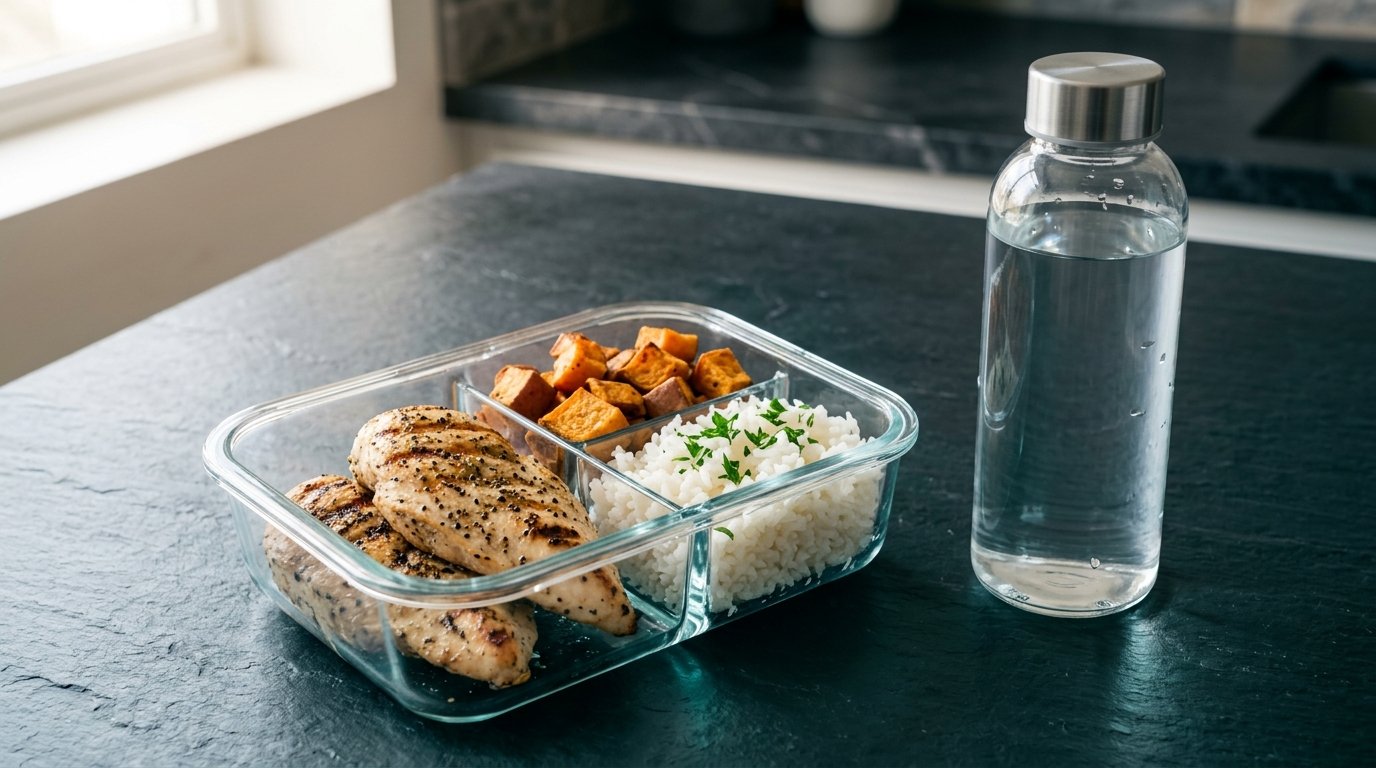
Most recovery comes from four things you already control:
- Protein. It supports how your muscles respond to training and how they recover (NIH Office of Dietary Supplements). Spread it across your meals.
- Carbohydrates. They refill the energy your muscles burned. Rice, potatoes, oats and fruit do the job.
- Fluids. Replace what you sweat out, especially after a hot session or a long case in lead.
- Sleep. This is where most repair happens. If you work nights, start with our night shift sleep guide.
If you train around odd hours, Fit on a Clinician’s Schedule covers the routine side. If you fast, Intermittent Fasting: What the Evidence Actually Shows covers how it fits with training.
Get those right first. Then supplements can fill gaps.
The strongest evidence
The Australian Institute of Sport sorts supplements into groups by evidence. Group A means “strong scientific evidence for use in specific situations in sport” (AIS). Everything in this section is in Group A.
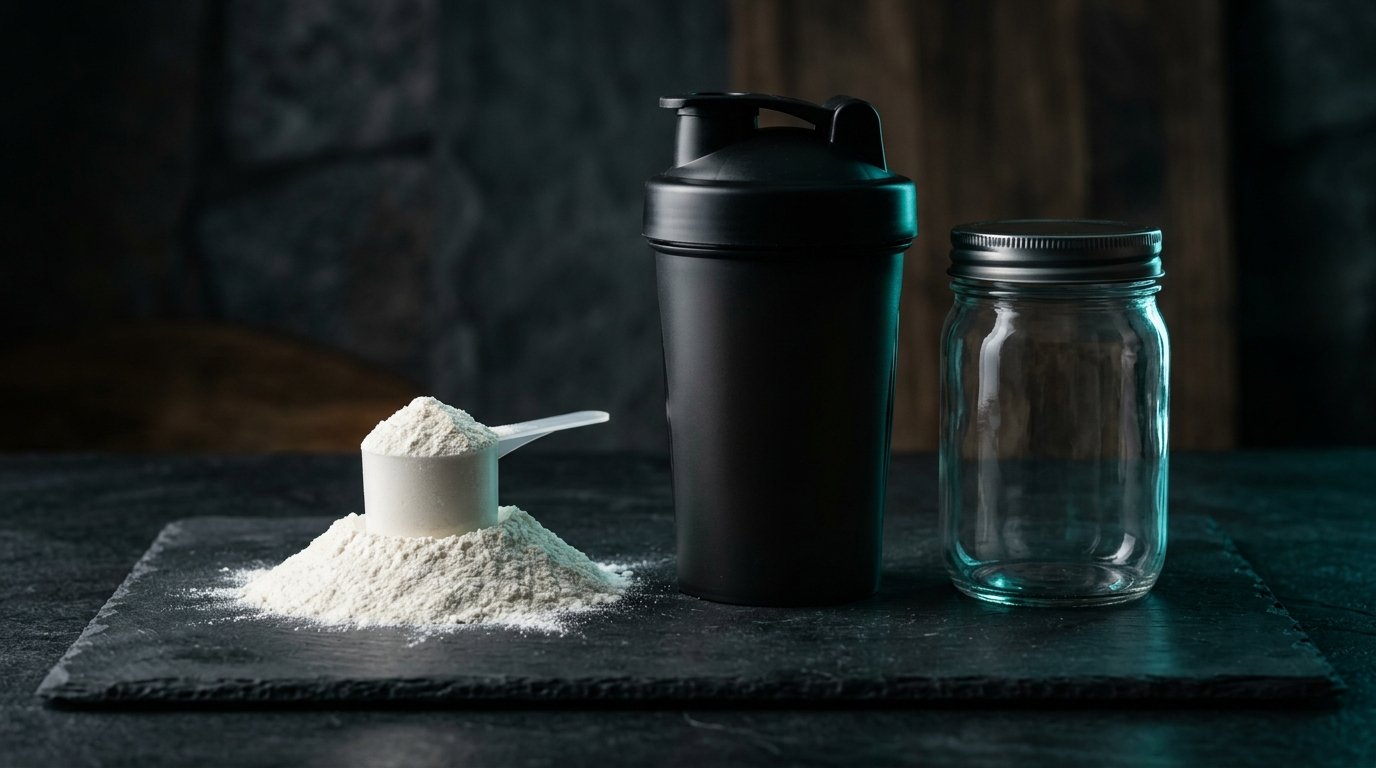
Protein powder
Protein powder is food in a convenient form, not a magic product. It helps when a full meal isn’t practical, like a long day of back-to-back cases. Whole food works just as well when you can get it.
Creatine
Creatine is the best-studied supplement in sports nutrition. The International Society of Sports Nutrition calls it “the most effective ergogenic nutritional supplement currently available” for high-intensity exercise capacity and lean mass (Kreider et al., 2017).
For recovery, the same review found it helps muscles store glycogen, and athletes who used it had fewer injuries. Its benefit is mainly for strength and power training, with little for pure endurance (NIH ODS).
The most common side effect is a little weight gain from water held in the muscles. It is considered safe for healthy adults. If you have kidney disease or take medications that affect the kidneys, ask your physician first.
Caffeine
Caffeine helps performance more than recovery. It improves exercise performance in many studies, though the effect varies from person to person (Guest et al., 2021).
The catch for shift workers is sleep. Caffeine can disrupt sleep, and poor sleep slows recovery. Time it so it’s out of your system before you need to sleep. The night shift sleep guide covers when to have your last cup.
Electrolyte drinks
Electrolyte supplements are in Group A too. They matter most after long, sweaty sessions or hot days. For a typical gym session, water and a normal meal usually cover it.
Mixed or promising evidence
The AIS puts these in Group B: “emerging and/or mixed scientific support” (AIS). Some people may benefit. The research isn’t settled.
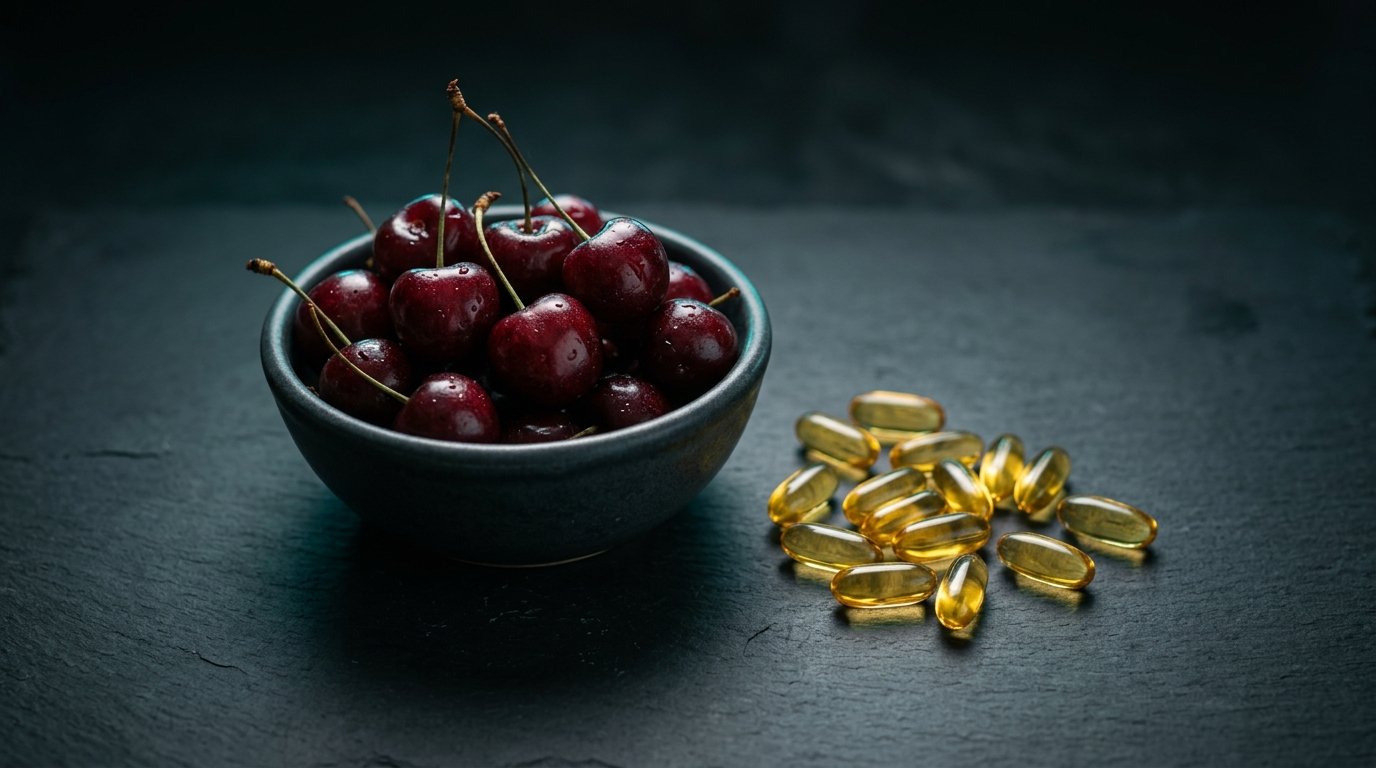
Tart cherry
Tart cherry has some of the better recovery data in this group. A 2021 review of 14 studies found it helped muscle strength and power come back faster, with a small drop in soreness and in two inflammation markers (Hill et al., 2021). Most of that research looked at hard, unusual efforts, like a race or a heavy new workout.
Omega-3 (fish oil)
Omega-3s are popular for heart health. For soreness after training, the results are modest. A 2020 review of 12 trials found a small drop in soreness two days after exercise. It was smaller than what people would notice, and strength recovered no faster (Lv et al., 2020).
Side effects are usually mild: fishy taste, heartburn or an upset stomach. If you take a blood thinner, talk to your physician before starting (NIH ODS).
Collagen
Collagen is marketed for joints and tendons. The AIS lists it in Group B. Early research is interesting, but it isn’t strong enough yet to call it a recovery aid.
Multivitamin
A multivitamin is insurance for gaps in your diet, not a recovery tool. The AIS also lists it in Group B. If your diet is varied, the extra benefit is likely small.
Vitamin D
Vitamin D is in Group A, but as a medical supplement: it’s for correcting a low level (AIS). Low vitamin D can cause muscle weakness and pain. People whose jobs limit sun exposure are at higher risk (NIH ODS). That describes a lot of OR staff, especially on nights.
More isn’t better. Too much vitamin D, almost always from supplements, can raise calcium and cause kidney stones. A blood test is how a low level is found, so ask your physician whether one makes sense for you.
Popular, but the evidence is thin
The AIS puts these in Group C: research “not supportive of benefit amongst athletes” or not enough research to judge (AIS). That doesn’t mean they’re harmful. It means the recovery claims aren’t backed up yet.
Magnesium
Magnesium matters for muscle and nerve function, and many people take it for sleep or cramps. As a performance or recovery supplement for athletes, though, the AIS lists it in Group C. If your diet is low in magnesium, a supplement can fill that gap.
High doses often cause diarrhea. People with kidney disease are at higher risk of getting too much. Magnesium can also interfere with some antibiotics and osteoporosis drugs (NIH ODS).
BCAAs
Branched-chain amino acids are three of the amino acids already found in protein. Evidence that they improve performance is weak, and results on muscle and strength are inconsistent (NIH ODS). If you already eat enough protein, BCAAs add little.
Glutamine
The research is small and split. One study in weightlifters found no effect on performance or muscle breakdown. Another small study suggested less soreness (NIH ODS).
Recovery blends
Many “recovery formulas” list a proprietary blend. The label shows the total amount but not how much of each ingredient is inside, and amounts vary widely between products (NIH ODS). You often pay for a long ingredient list without knowing what you’re getting.
How to buy smart
The FDA doesn’t approve supplements before they’re sold. The FDA “does not have the authority to approve dietary supplements before they are marketed.” Making sure a product is safe and labeled correctly falls first on the company that makes it (FDA).
Look for a third-party seal. The Department of Defense’s Operation Supplement Safety program warns that mislabeled and contaminated products “are not uncommon” (OPSS). It recommends products tested by an independent group:
- NSF Certified for Sport: tests for substances banned in sport and for contaminants.
- USP Verified: checks that the ingredients and amounts match the label, and tests for contaminants.
- Informed Sport and BSCG Certified Drug Free: test for substances banned in sport.
A seal means the label matches what’s inside. It does not mean the product is safe for you or that it works.
Check for interactions. Supplements can affect how medications work. Fish oil and blood thinners, and magnesium with some antibiotics, are two examples. The FDA advises talking to your doctor or pharmacist before you start one.
What I take
For the record: I take magnesium, omega-3 and a multivitamin, on a diet built mostly on protein and clean carbs.
Quick reference
Evidence levels follow the AIS groups. No amounts listed: ask your physician what fits you.
| Supplement | What it may help with | Evidence |
|---|---|---|
| Creatine | Strength, power, glycogen storage | Strong (Group A) |
| Protein powder | Meeting protein needs when meals are hard | Strong (Group A) |
| Caffeine | Performance during the workout | Strong (Group A) |
| Electrolyte drinks | Replacing fluids and salt after heavy sweating | Strong (Group A) |
| Vitamin D | Correcting a low level | Strong, if you’re low (Group A) |
| Tart cherry | Strength and soreness after hard efforts | Mixed (Group B) |
| Omega-3 | Small effect on soreness | Mixed (Group B) |
| Collagen | Joints and tendons | Mixed (Group B) |
| Multivitamin | Filling diet gaps | Mixed (Group B) |
| Magnesium | Filling a dietary gap | Not supported for performance (Group C) |
| BCAAs | Little, if protein intake is adequate | Not supported (Group C) |
| Glutamine | Unclear | Too little research |
The bottom line
A good recovery supplement plan is short. It starts with food, fluids and sleep, then adds only what fills a real gap: protein powder when meals are hard to fit in, creatine if you lift, and electrolyte drinks after heavy sweating. If you rarely see daylight, ask about a vitamin D check.
Choose single-ingredient products with a clear label and a third-party seal over proprietary blends. Be skeptical of anything that promises more than the research shows. And talk to your physician before starting, especially if you take medications.
FAQ
Do I need supplements to recover?
No. Protein, carbohydrates, fluids and sleep do most of the work. Supplements can help fill gaps or add a small edge.
Which one has the best evidence?
Creatine, for strength and power training. Protein powder is also well supported, but it’s simply a convenient way to get protein.
Is caffeine okay on night shifts?
It can help you train, but it can also cut into your sleep, and sleep is where recovery happens. Plan your last cup well before bed. The night shift sleep guide covers timing.
Are supplements safe with my medications?
Some aren’t. Fish oil can affect blood thinners, and magnesium can interfere with some antibiotics. Talk to your physician or pharmacist before you start anything new.
How do I know a product contains what the label says?
Look for a third-party seal such as NSF Certified for Sport or USP Verified. A seal checks what’s inside the bottle. It doesn’t prove the product works.
Sources
- Australian Institute of Sport, Sports Supplement Framework: Group A, Group B, Group C
- NIH Office of Dietary Supplements: Dietary Supplements for Exercise and Athletic Performance
- NIH Office of Dietary Supplements: Omega-3 Fatty Acids
- NIH Office of Dietary Supplements: Magnesium
- NIH Office of Dietary Supplements: Vitamin D
- Kreider RB, et al. ISSN position stand: safety and efficacy of creatine supplementation. J Int Soc Sports Nutr. 2017;14:18.
- Guest NS, et al. ISSN position stand: caffeine and exercise performance. J Int Soc Sports Nutr. 2021;18:1.
- Hill J, et al. Tart cherry supplementation and recovery from strenuous exercise: a systematic review and meta-analysis. Int J Sport Nutr Exerc Metab. 2021;31(2):154-167.
- Lv Z, et al. Omega-3 supplementation for reducing muscle soreness after eccentric exercise. BioMed Res Int. 2020.
- U.S. Food and Drug Administration: Questions and Answers on Dietary Supplements
- Operation Supplement Safety (DoD): Why third-party certification is important
This is educational content, not medical advice. This post has no affiliate links, and The Gas Locker has no relationship with any supplement brand. Talk to your physician about any specific questions, especially if you take medications or have a health condition. This article is for education only and is not medical advice. Talk to your physician about any specific questions, especially before starting a supplement if you take medications or have a health condition. Sources checked October 2026. Cover image: AI-generated via Google Gemini. Image credits: Image: AI-generated via Google Gemini.